
Do you want to take charge of your health and figure?
Do you want a diet plan based on your food preferences, daily activity levels, height, weight and target weight goals?
Do you want to create personalized diet plans for you that maximize fat burning via the correct calories and macronutrients and that too with scientific research and proven studies?
Do you want to a consolidated dietary plan where high fats, adequate protein, and low carbs are consumed?
Do you want to deplete the body's glycogen reserves so that it relies on fat and protein for energy?
Do you want a high-protein, low-carbohydrate Atkins diet which will help you to rid of various health issues and preventing diseases?
And
Do you want a perfect form of dieting and dietary plan based on scientific research which may be proven most effective not only in combating and preventing health issues manifold but also helps to improve Mental Performance, Improve Cholesterol, Improve ability to focus, help you fight diabetes, reduce the risk of Chronic Disease, Reduce Blood Sugar and Insulin, Reduce Triglycerides, Weight loss?
For all these benefits you just need to have access to ketogenic dietary program or Ketogenic diet or simply Keto diet.

Keto diet plan service is designed to help men and women to turn their lives around and take charge of their health and figure.
The custom keto diet is a brand new product that allows someone to create their very own keto diet plan based on their food preferences, daily activity levels, height, weight and target weight goals.
The keto dietary program uses scientific research and proven studies to create personalized ketogenic diet plans that maximize fat burning via the correct calories and macronutrients for each individual.
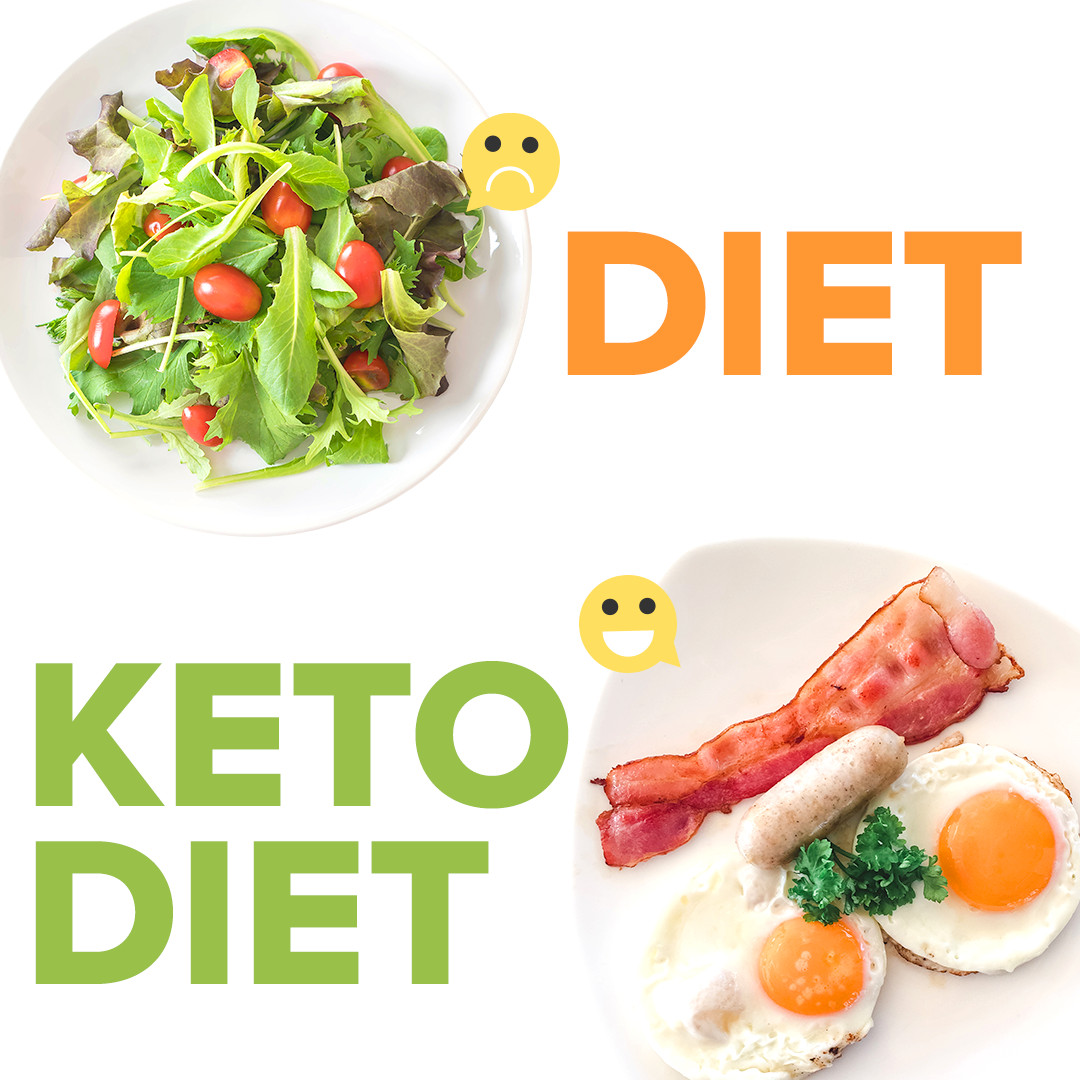

What is the Keto Diet?
The Ketogenic diet refers to a form of dieting where high fats, adequate protein and low carbs are consumed. Its aim is to deplete the body's glycogen reserves so that it relies on fat and protein for energy. The body then undergoes ketosis, which is a metabolic state in which your liver produces a high number of ketones as an alternative fuel source for the brain. This form of dieting is quite popular, with dozens of pictures showing before and after results circulating all over social media. These are some benefits of the keto diet and how it may help in achieving your goals.
The keto program recommends a diet that is low on carbs, moderate on protein, and high in fat. The idea is to fine-tune nutritional intake in order to send the body into a metabolic state known as ketosis.
The body enters a state of ketosis when it no longer has stores of glycogen sugar to fuel its energy needs. With sugar out of the way, the body has no choice but to tap its stores of fat to get by. The liver converts fat reserves into ketones to present to the body as an energy source. This is why the keto program is a good way to lose fat.
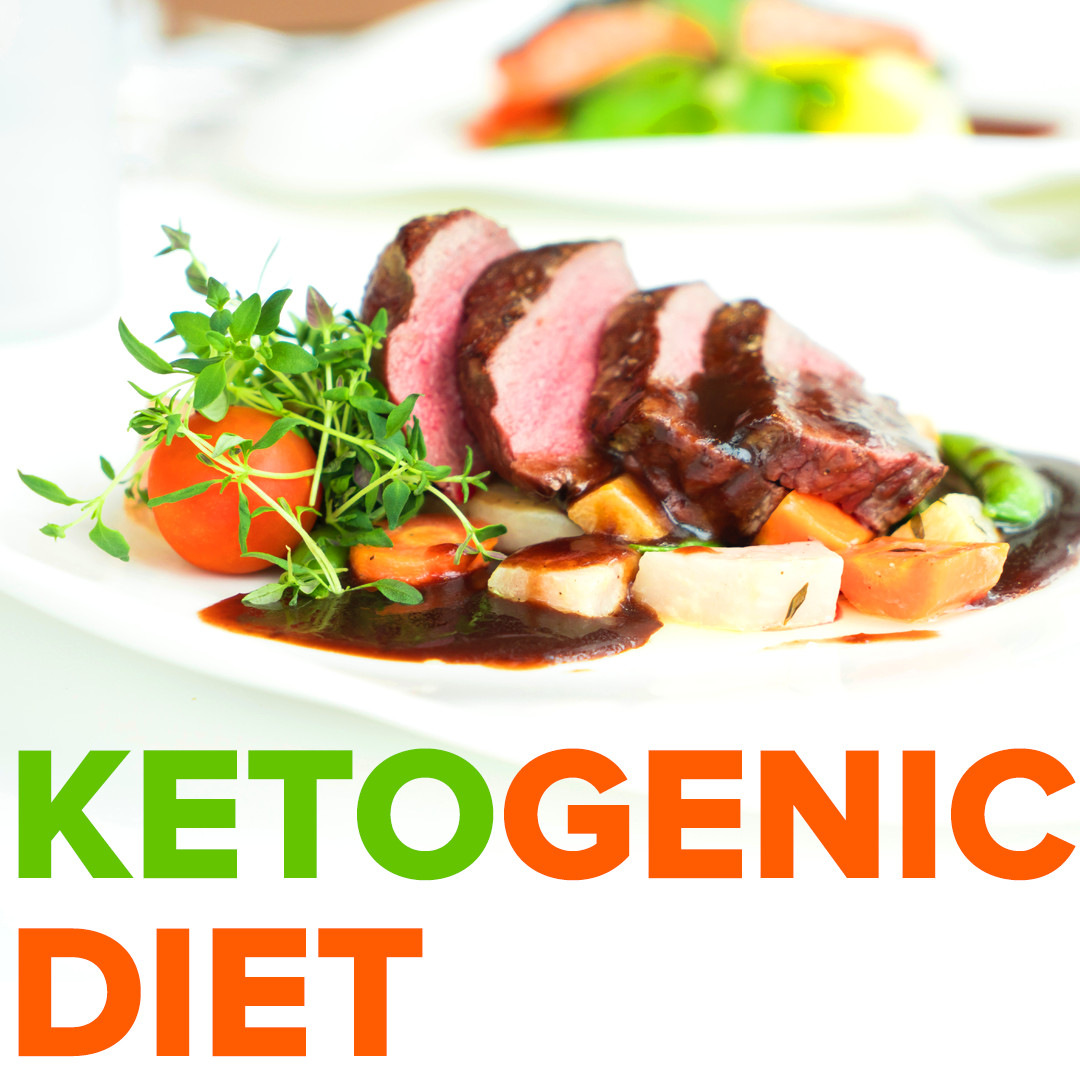
You may have heard of the high-protein, low-carbohydrate Atkins diet. The keto diet keeps carbohydrate levels low, but instead of ramping up the amount of protein in your diet, the keto diet increases the amount of fat. A typical keto diet aims for meals with 75% fat, 20% protein, and 5% carbohydrate. Eating a high-fat diet can still mean eating healthy. Keto diet menu items often include seafood, meat, dairy products, eggs, vegetables, and nuts. With the increased popularity of the keto diet, keto recipes are widely available.

How Does the Keto Diet Work?
It might seem counterintuitive that adding more fat to your diet can lead to weight loss. Normally, your diet is high in carbohydrates, which are broken down into glucose, or blood sugar, for use as energy. As glucose enters your bloodstream, your body releases insulin to store excess glucose as fat. The more carbohydrates, the more glucose. The more glucose, the more insulin, and the more insulin, the more fat.
The keto diet takes advantage of the fact that when your meals are high-fat and low-carbohydrate, there is no insulin spike, and you don't add to your fat reserves. Instead, fat from diet and stored fat are broken down to ketones ("keto" is short for "ketogenic" producing ketones). Like glucose, ketones can be used for energy, keeping your body running without increasing blood sugar or putting on excess fat. The benefits of the keto diet can be huge.

Benefits of the keto diet
Unlike other diets that offer practitioners a weight loss benefit and little else, the keto diet comes with several benefits.
Weight Loss
Without a doubt, weight loss is the primary goal of the keto diet. It works because it makes the body look to its fat reserves to power its metabolism.
When the body is deprived of carbs, it enters a state of ketosis. Blood sugar and insulin levels fall when that happens. As the body taps the energy in fat cells, they release considerable quantities of water, making for some great weight loss. The fat cells are then able to enter the bloodstream and make their way to the liver, where they are turned into ketones for energy processing. As long as your diet allows you to stay in a caloric deficit, you get to enjoy the weight loss benefits of the keto diet.
Overall, the keto diet is an excellent way to burn fat and lose weight. Eating fewer carbohydrates suppresses appetite, and studies have shown that keto diet participants eat fewer calories overall because of this. Burning fat for energy can lead to rapid weight loss.
So why is weight loss usually so easy on the ketogenic diet instead of other regular diets? For the following reasons:
• The keto diet is composed of approximately 75% fat, 20 % protein, and 5% or less carbohydrates. The high-fat content and lack of sugar mean diminished cravings, lack of blood sugar swings and binges, and increased satiation. Increased satiation=eating less. Many people also have food sensitivities to grains, even gluten-free ones, so eliminating them may lead to an increased ability to absorb minerals like magnesium and potassium, which in turn means your body is more nourished and you have fewer cravings
• Ketones. When your blood sugar is running low, your body turns to its glycogen stores for energy. Typically glycogen stores house about 2000 calories of "backup" energy for when you run out of glucose. Like the intelligent machine it is, your body depletes the glycogen stores and then turns to your own body fat for fuel.
Reduced Blood Sugar and Insulin
Since carbohydrate intake is limited, blood sugar and insulin levels are lowered. This is particularly important for people with type 2 diabetes, which causes a buildup of glucose in the bloodstream. The keto diet can be used to reduce or eliminate the need for diabetic insulin injections.
Improved Blood Pressure
High blood pressure significantly increases the risk of several diseases and is a leading cause of deaths worldwide. A low-carb diet has been proven to be more effective than a low-fat diet in reducing blood pressure. In fact, some claim that it is just as effective as taking pills. This combined with the weight loss derived from a ketogenic diet, is sure to vastly improve cardiovascular health and function.
It has been proven by numerous studies in the realm of nutrition science, that this form of dieting can have a very positive impact on your overall health and bodily function. As long as you can find a way to maintain the discipline, the rewards are abundant. For those that have not been able to gain many results from traditional methods, the keto approach is definitely something worth considering.
When you're on the keto diet, it drops your blood pressure. The keto diet can change a person's life. It isn't a difficult diet to get on, either. There are plenty of great recipes for the keto diet. All it takes is the willingness to give it a shot.
Improved Cholesterol
"Bad" (LDL) cholesterol is another risk factor for heart disease. Too much bad cholesterol in your bloodstream builds up in your arteries, narrowing them and causing atherosclerosis, a type of heart disease. The keto diet reduces bad cholesterol levels while increasing the level of "good" (HDL) cholesterol in your body. HDL cholesterol helps get rid of the body's bad cholesterol reserves. When you're on keto, your body's triglyceride levels fall and your HDL cholesterol levels rise.
Reduced Triglycerides
Moreover, fat subunit molecules called triglycerides normally circulate in your bloodstream. High levels of triglycerides are a significant risk factor in the development of heart disease. In the keto diet, because fat is being burned for energy, the number of triglyceride molecules in the bloodstream decreases, reducing the risk of heart disease.
Mental Performance
A poorly functioning brain, as you may have already experienced, leads to lessened work productivity, which in turn means an unhappy boss, lack of job satisfaction, sugar cravings for energy, and depression. It's a horrible domino effect. The original ketogenic diet was formulated by Dr. Russell Wilder in the early 20th century to treat epilepsy. The success rate was phenomenal and it is still used today to treat epilepsy and other brain disorders.
Research also indicates that ketones are more efficient brain fuel than glucose. (Source: https://www.ncbi.nlm.nih.gov/pmc/articles/PMC5102124/)
The ketones produced from a low carb diet are a much more efficient source of energy than glucose. Studies have indicated that they can improve cognitive impairment and even help with diseases such as Alzheimer's and Parkinson's. The high-fat diet helps to support the balance of essential omega 3s and omega 6s which are vital for optimal brain function. Additionally, ketosis is able to boost mitochondria production and adenosine triphosphate within the brain's memory cells, thereby improving mental performance and clarity.
Additionally, When you choose a regular diet that puts carbs into the body, your brain has to deal with the rise and fall in sugar levels that happens as a result. Inconsistent energy levels can make it hard for the brain to focus. With the keto diet, however, the energy source is constant and consistent. The brain is better able to stay focused and hence Improve the ability to focus.
Reduced risk of Chronic Disease
A ketogenic diet can boost the body's defense against a variety of conditions. By reducing inflammation, and improving mitochondrial function, it can help to mitigate the risk of developing several chronic diseases. Cancer cells typically possess abnormal mitochondria, which need an increased supply of glycogen. Ketosis allows for normal cells to be fed while starving the cancer cells, as they are unable to utilize the ketones for energy because of their dysfunctional mitochondria.
Potential Cancer Benefits
One study showed implementing the ketogenic diet led to a dramatically increased survival time and slower tumor growth. (Source: https://www.ncbi.nlm.nih.gov/pmc/articles/PMC5450454/)
It takes the edge off your appetite
When your diet isn't heavy on carbs, you'll find that you don't crave as much food as before. Many people who get on the keto diet are able to fast most of the day, and only eat at mealtimes. They are simply not as hungry as before.
You feel more energetic
When you are on a regular diet, your body is always on the verge of running out of energy. You need to constantly eat and refuel. With a keto diet, however, the body taps its fat reserves, a nearly unending energy source. The body, then, is able to maintain constant energy levels throughout the day. The result is, you end up feeling a lot more energetic.
It helps you fight diabetes
When you suffer from Type II diabetes, your body experiences high levels of insulin. Since the keto diet takes excess sugar from your diet, it helps stabilize HbA1c counts, and reverse Type II diabetes.
Summary
Keto diet plan service is designed to help men and women to turn their lives around and take charge of their health and figure.
The custom keto diet is a brand new product that allows someone to create their very own keto diet plan based on their food preferences, daily activity levels, height, weight and target weight goals.
The keto dietary program uses scientific research and proven studies to create personalized ketogenic diet plans that maximize fat burning via the correct calories and macronutrients for each individual.
The keto diet provides many health benefits. This diet can not only help you quickly lose weight but can also improve your overall health and help prevent disease.

The keto diet plan is available to access immediately after payment with all its features.

Here’s what you will get:
· An eight-week meal plan created based on the expertise of certified nutritionists, personal trainers, and chefs.
· Meals that have calorie and macronutrient content tailored to their specific situation and goals.
· A nutrition plan with food variety to ensure they will get a wide range of nutrients and boost the likelihood of sticking to their diet.
· Meals that are based on personal food preferences to make their diet enjoyable and help them stay on track with their plan.
· Detailed recipes with step-by-step instructions to make meal preparation super simple (no prior cooking experience needed).
· A downloadable shopping list each week that details every needed ingredient they will need in the upcoming seven days.
· Options on how they can customize every meal even more to suit your taste buds.
· We’ll show them what to eat every day to reach their goals in the fastest and most enjoyable way.




Scientific references
1. Lancet. 2014 Aug 30;384(9945):766-81.
2. Res Q Exerc Sport. 2013 Sep;84(3):275-86.
3. J Am Diet Assoc. 2005 Apr;105(4):573-80.
4. Lancet. 2004 Sep 4-10;364(9437):897-9.
5. J Clin Endocrinol Metab. 2008 Sep;93(9):3373-80.
6. Diabetes Care. 1999 Jun;22(6):889-95.
7. Diabetes Care. 2002 Mar;25(3):425-30.
8. Br J Nutr. 2007 Feb;97(2):405-10.
9. Am J Clin Nutr. 2005 Jun;81(6):1298-306.
10. Ann Intern Med. 2005 Mar 15;142(6):403-11.
11. Am J Clin Nutr. 2005 Apr;81(4):762-72.
12. Am J Clin Nutr. 2003 Jul;78(1):31-9.
13. Int J Obes Relat Metab Disord. 2004 May;28(5):661-70.
14. Int J Obes Relat Metab Disord. 2000 Apr;24(4):492-6.
15. J Clin Endocrinol Metab. 2008 Sep;93(9):3373-80.
16. Ann Nutr Metab. 2007;51(5):428-32.
17. Int J Obes Relat Metab Disord. 1996 Dec;20(12):1067-72.
18. Am J Clin Nutr. 2006 Oct;84(4):813-21.
19. Send to JAMA. 2012 Jan 4;307(1):47-55.
20. http://edition.cnn.com/2010/HEALTH/11/08/twinkie.diet.professor/index.html
21. McDonald, L. (1998). The Ketogenic Diet: A Complete Guide for the Dieter and Practitioner (1st ed.)
22. Nutr Metab (Lond). 2004; 1: 13.
23. JAMA. 2014 Jun 4;311(21):2167-8.
24. Nat Clin Pract Endocrinol Metab. 2006 Aug;2(8):447-58.
25. BMJ. 2013 Apr 15;346:f1050.
26. Eat Behav. 2013 Jan;14(1):69-72.
27. Eat Behav. 2010 Aug;11(3):175-9.
28. J Clin Invest. 1967 Oct; 46(10): 1589–1595.
29. Br J Nutr. 2013 Oct;110(7):1178-87.
30. N Engl J Med. 2003 May 22;348(21):2074-81.
31. N Engl J Med 2003; 348:2074-2081
32. J Diabetes Complications. 2015 Sep-Oct;29(7):950-4.
33. PLoS One. 2013 Nov 27;8(11):e79324.
34. Arch Intern Med. 2004 Oct 25;164(19):2141-6.
35. J Nutr. 2006 Feb;136(2):384-9.
36. N Engl J Med. 2003 May 22;348(21):2082-90.
37. Am J Clin Nutr. 2009 Jul;90(1):23-32
38. Ann Intern Med. 2005 Mar 15;142(6):403-11.
39. Nutr Metab (Lond). 2005; 2: 34.
40. Biol Psychiatry. 2004 Dec 15;56(12):981-3.
41. BMC Neurosci. 2006 Apr 3;7:29.
42. J Cancer Res Ther. 2009 Sep;5 Suppl 1:S7-15.
43. J Am Coll Nutr. 1995 Apr;14(2):202-8.


No comments:
Post a Comment
Feel free to ask any question or any doubts.